Enjoy Free Shipping Worldwide


How to Choose a Shoyoroll BJJ Gi: Fit, Fabric, and Training Tips

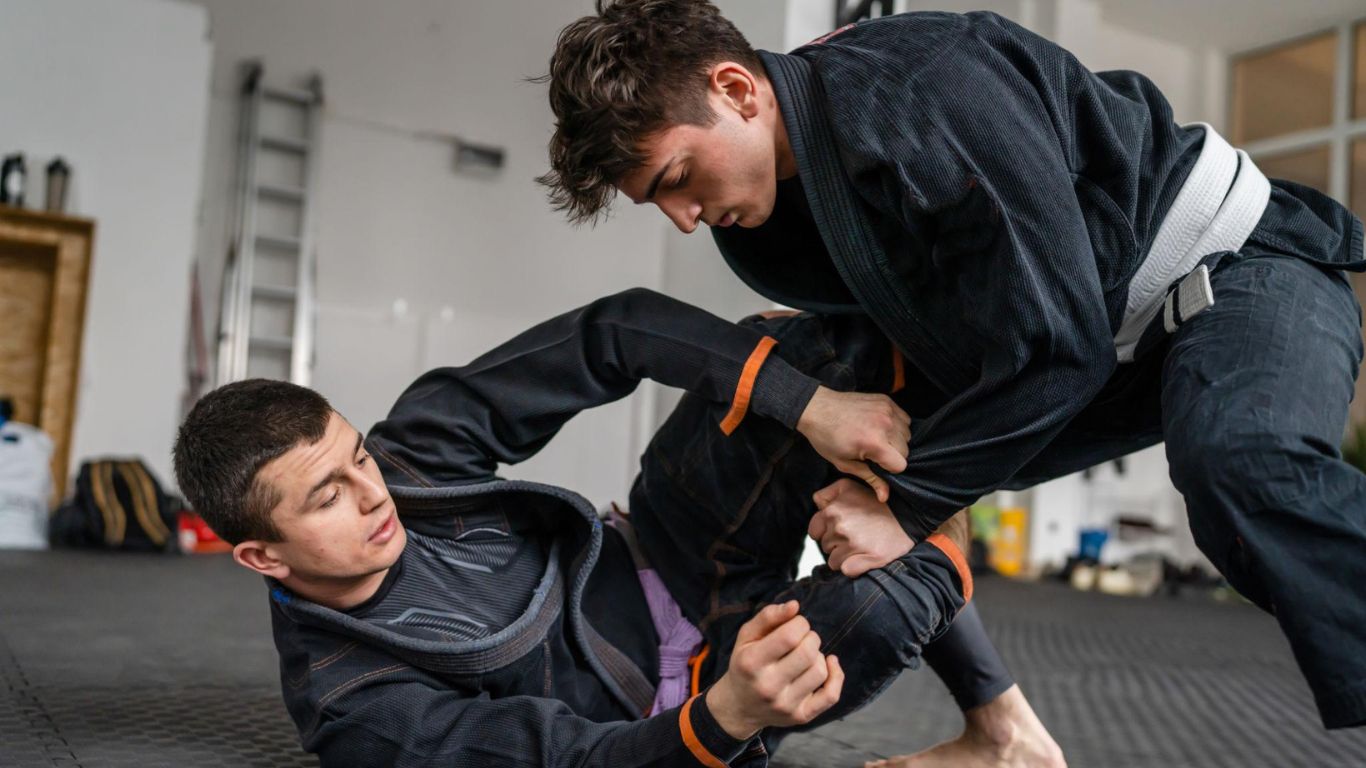
Brazilian Jiu-Jitsu requires focus, consistency, and the right training equipment. Whether you’re attending your first class or preparing for another competition, choosing a suitable BJJ gi can make your training experience more comfortable and enjoyable.
A Shoyoroll BJJ gi is a popular search among practitioners who appreciate distinctive designs, carefully considered styling, and the culture surrounding Brazilian Jiu-Jitsu apparel. But choosing a gi involves more than its appearance. Fit, fabric, construction, maintenance, and intended use should all influence your decision.
At Titan Gi, we believe choosing your next Jiu-Jitsu uniform should be straightforward. This guide explains what to consider when shopping for a Shoyoroll-style BJJ gi and how to select equipment that suits your training routine.
1. What Makes a BJJ Gi Suitable for Training?
A Brazilian Jiu-Jitsu gi, also called a kimono, consists of a jacket, trousers, and a belt. Unlike ordinary sportswear, it must accommodate gripping, pulling, ground transitions, and repeated movement.
When comparing a Shoyoroll BJJ gi with other Jiu-Jitsu uniforms, consider these important characteristics:
- Comfort: The uniform should allow you to move naturally during drills and rolling.
- Fit: Sleeves, trousers, and the jacket should suit your body proportions.
- Construction: Examine seams, stress points, collar construction, and finishing.
- Fabric: Different weaves and weights offer different combinations of structure, breathability, and durability.
- Design: Choose a look that suits your personal style while respecting your academy’s uniform rules.
The best BJJ gi is not necessarily the heaviest or most expensive. It is the one that fits properly, meets your training needs, and is maintained correctly.
2. Understanding BJJ Gi Fabric and Weave
Fabric plays an important role in how a gi feels and behaves during training. Two uniforms that look similar in photographs may feel different when worn.
Pearl weave
Pearl weave is a common choice for BJJ gi jackets. Its textured construction can provide a useful balance between structure and manageable weight. However, the actual feel and durability depend on the fabric composition, weight, and manufacturing quality.
Lightweight fabrics
Lightweight gis can be useful for practitioners who travel frequently, prefer less bulky equipment, or want a uniform that feels less substantial during training. Always check the manufacturer’s specifications rather than assuming every lightweight gi has the same properties.
Trouser materials
Gi trousers may use cotton canvas, twill, ripstop, or other fabrics. Each construction can feel different in terms of flexibility, weight, and resistance to wear.
Titan Gi tip: Check the product specifications before buying. Fabric weight, weave, and material composition are more useful indicators than a product name alone.
3. How Should a Shoyoroll BJJ Gi Fit?
A good fit supports comfortable movement without leaving excessive material that interferes with training. BJJ gi sizes are not identical across manufacturers, so never rely exclusively on the size you wear in ordinary clothing.
Use these guidelines when evaluating a gi:
- Jacket sleeves: Check their length with your arms extended and compare it with the applicable sizing requirements.
- Jacket body: Make sure you can move your shoulders and torso without uncomfortable restriction.
- Trousers: Look for suitable leg length and enough room for guard work, squatting, and transitions.
- Waistband: Ensure it stays secure and comfortable during movement.
- Overall fit: Avoid a uniform that is excessively tight or so loose that it gets in the way.
Measure your height and weight, then compare them with the specific size chart supplied for the product. If your proportions fall between sizes, ask the seller for guidance before ordering.
Also account for possible shrinkage. Cotton garments can shrink depending on their fabric composition and how they are washed and dried. Follow the care label and avoid assuming that every gi shrinks by the same amount.
4. Choosing a Gi for Training or Competition
Your training routine should influence your purchase.
For everyday training
If you train several times each week, consider comfort, construction, ease of washing, and how quickly your uniform dries. Having more than one gi can also make it easier to maintain a clean uniform between sessions.
For competition
Before entering a tournament, check the event’s current uniform regulations. Requirements may cover permitted colours, jacket and trouser measurements, patches, and other details.
Do not assume that every gi sold for Brazilian Jiu-Jitsu automatically meets every competition’s rules. Confirm compliance with the relevant organiser before competing.
For beginners
New practitioners generally benefit from prioritising fit, comfort, and sensible construction over collecting multiple designs. A suitable first gi makes it easier to concentrate on learning techniques and developing consistent training habits.
5. What Details Should You Inspect Before Buying?
Product photographs can help you compare designs, but look beyond the overall appearance.
Inspect these five areas:
- Collar and lapel: Review the collar construction and thickness information, if supplied.
- Stitching: Look for consistent finishing around seams and areas subject to repeated stress.
- Fabric texture: Zoom in on the jacket and trouser material where photographs allow.
- Patches and embroidery: Check placement, finishing, and whether the product images accurately represent the item you will receive.
- Sizing and specifications: Verify the measurements, included pieces, fabric details, and care instructions.
Clear product information makes it easier to compare options and avoid choosing a uniform based on appearance alone.
6. How to Care for Your BJJ Gi
Proper care helps keep your uniform clean and in good condition.
- Wash your gi promptly after each training session.
- Follow the care label for water temperature and washing instructions.
- Avoid excessive heat, which can cause shrinkage or damage some fabrics.
- Dry the uniform thoroughly before storing it.
- Inspect seams and stitching periodically for signs of wear.
- Keep your gi clean and avoid leaving damp training gear in a closed bag.
Good hygiene is especially important because BJJ involves close physical contact. A consistent washing routine protects your uniform and helps maintain a clean training environment.
7. Explore Shoyoroll BJJ Gi Styles at Titan Gi
Finding the right uniform means balancing design, fit, construction, and your budget. If you’re comparing Shoyoroll BJJ gi styles, take time to review the available colours, product details, sizing information, and care instructions before deciding.
At Titan Gi, you can explore our collection of BJJ uniforms and find a design that matches your personal style and training routine.
Whether you prefer a clean, understated look or a more distinctive design, focus on the practical details that matter every time you step onto the mat.
Ready to explore the collection?
Visit the Shoyoroll collection at Titan Gi to review the available styles and product information before choosing your next gi.
Frequently Asked Questions
What should I look for in a Shoyoroll BJJ gi?
Consider fit, fabric, construction, design, care requirements, and whether the uniform meets your training or competition needs.
How do I choose the right BJJ gi size?
Measure your height and weight and compare them with the specific product’s size chart. Different manufacturers may use different cuts and measurements.
Is pearl weave a good choice for a BJJ gi?
Pearl weave is a popular jacket construction because it can balance structure and manageable weight. The actual performance depends on the specific fabric and construction.
Can I use the same gi for training and competition?
Possibly, provided it is comfortable, in good condition, and complies with the relevant competition rules. Always check the organiser’s current requirements.
How should I wash my BJJ gi?
Follow the care label, wash it promptly after training, avoid excessive heat, and dry it thoroughly before storing it.
Where can I explore Shoyoroll BJJ gi styles?
You can browse the available collection on Titan Gi and review the product information before ordering.
Final thought: The right BJJ gi should suit your body, training habits, and personal preferences. Prioritise fit and construction over appearance alone, follow the care instructions, and choose your next uniform with confidence.


